

Trade Secret Protection: Legal Frameworks for Maintaining Competitive Advantage
In an increasingly competitive marketplace, the ability to protect proprietary information—commonly referred to as trade secrets—can be a critical factor in maintaining a competitive advantage. Trade secrets, which include formulas, processes, customer lists, and other confidential business information, play a vital role in the success of many businesses. Understanding the legal frameworks surrounding trade secret protection is essential for organizations looking to safeguard their valuable intangible assets. This article discusses the legal aspects of trade secret protection, best practices for maintaining confidentiality, and the role of business lawyers in protecting trade secrets.
Understanding Trade Secrets
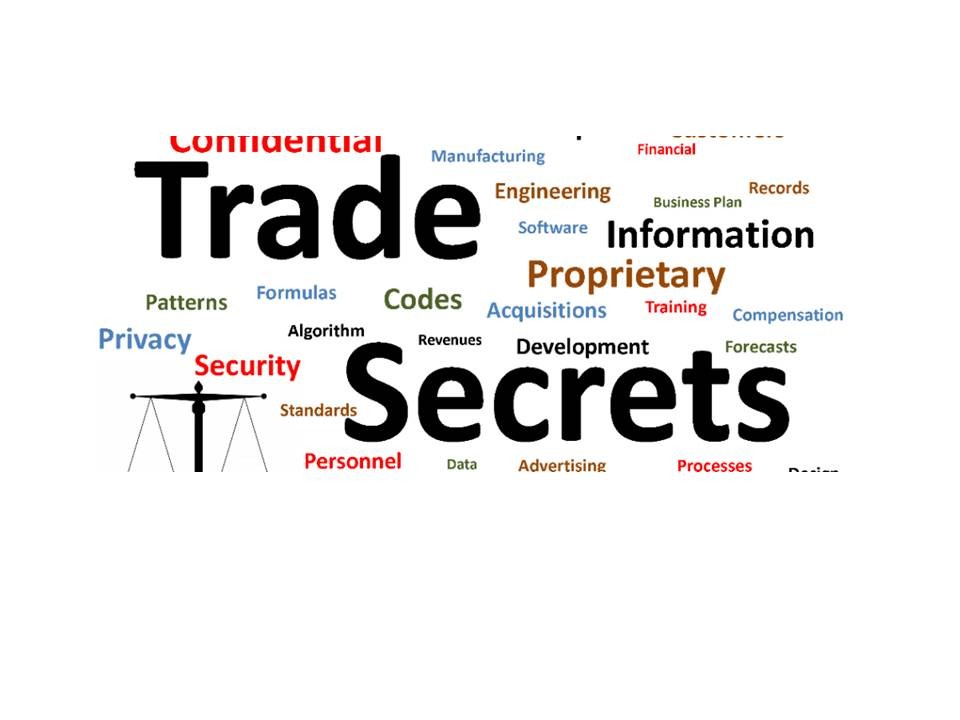
A trade secret is defined as any practice, design, formula, process, or information considered confidential by a business that provides a competitive edge. Key characteristics of trade secrets include:
- Secrecy: The information must not be generally known or readily accessible to the public or competitors. This exclusivity is what provides a competitive advantage.
- Economic Value: Trade secrets must possess actual or potential economic value derived from their secrecy. This value can result from the advantage gained from not disclosing the information.
- Efforts to Maintain Secrecy: The holder of the trade secret must take reasonable measures to protect its confidentiality, such as implementing security protocols and restricting access to sensitive information.
Legal Framework for Trade Secret Protection
In Vietnam, trade secret protection is primarily governed by the Intellectual Property Law (Law No. 50/2005/QH11) and its amendments. Here are key aspects of the legal framework regarding trade secrets:
1. Definition of Trade Secrets
Vietnam’s Intellectual Property Law defines trade secrets as any information that:
- Is not publicly known or accessible.
- Has economic value due to its confidentiality.
- Is subject to reasonable measures for maintaining its secrecy.
This definition underscores the importance of maintaining confidentiality to preserve the trade secret status.
2. Automatic Protection
Unlike patents, which require registration, trade secrets in Vietnam are protected automatically as long as they meet the criteria established by the Intellectual Property Law. This means that businesses do not need to file for formal protection, but they must actively take steps to maintain the secrecy of their proprietary information.
3. Enforcement Mechanisms
When trade secrets are misappropriated or disclosed without authorization, companies have legal options for enforcement. Key enforcement mechanisms include:
- Civil Remedies: Victims of trade secret theft can file civil suits against the infringing party, seeking remedies such as injunctions to stop further disclosure, damages for losses incurred, and profits gained by the infringer as a result of the misappropriation.
- Criminal Penalties: In cases of willful infringement, individuals may face criminal liability under provisions related to theft or misappropriation of trade secrets, which can carry significant penalties.

4. International Treaties
Vietnam is a signatory to various international treaties, including the Agreement on Trade-Related Aspects of Intellectual Property Rights (TRIPS), which provides a framework for the protection of trade secrets among member states. Compliance with international standards reinforces Vietnam’s commitment to respecting and protecting intellectual property rights.
Best Practices for Maintaining Trade Secret Protection
Establishing and maintaining effective practices for safeguarding trade secrets is crucial for any business. Here are several best practices for protecting confidential information:
1. Identify and Classify Trade Secrets
Start by identifying and classifying the information that qualifies as a trade secret within your organization. This may include formulas, customer lists, marketing strategies, and proprietary processes. Regularly review and update this inventory to ensure comprehensive protection.
2. Implement Confidentiality Agreements
- Non-Disclosure Agreements (NDAs): Require employees, partners, and contractors to sign NDAs to legally bind them to confidentiality regarding sensitive information.
- Employment Contracts: Incorporate confidentiality clauses in employment contracts that clearly outline employees’ obligations to protect the company’s trade secrets.
3. Limit Access to Sensitive Information
Restrict access to confidential information to only those individuals who require it for their job functions. Implement security measures that include:
- Access Controls: Use role-based access controls and password protection to restrict access to sensitive materials.
- Physical Security: Implement security protocols such as lockable filing cabinets, keycard entry systems, and surveillance cameras to protect physical locations where trade secrets are stored.
4. Conduct Employee Training
Regularly train employees on the importance of trade secret protection, outlining policies and procedures for handling confidential information. Education on legal obligations and potential consequences of breaches fosters a culture of compliance and awareness.

5. Monitor for Infringement
Establish monitoring systems to detect any unauthorized use or disclosure of trade secrets. This may include:
- Internal Audits: Conduct regular audits to assess compliance with trade secret protection policies and identify any gaps.
- Market Surveillance: Keep an eye on competitors and market trends to identify potential infringements or misuse of your proprietary information.
The Role of Business Lawyers in Trade Secret Protection
Engaging a business lawyer experienced in intellectual property law is crucial for effectively navigating trade secret protection. Key contributions include:
1. Legal Advice
Attorneys can provide valuable insights on trade secret law, helping businesses understand their rights and obligations under Vietnamese law, as well as international agreements like TRIPS.
2. Drafting Agreements
Lawyers can draft robust confidentiality agreements, employment contracts, and licensing arrangements to ensure effective legal protection of trade secrets.
3. Risk Assessment
Legal experts can perform assessments to identify vulnerabilities, recommending strategies for mitigating risks associated with trade secret theft.

4. Enforcement Assistance
If trade secrets are misappropriated, a business lawyer can assist with enforcement actions, including sending cease-and-desist letters, pursuing litigation, and representing clients in court.
5. Compliance Monitoring
Law firms can help businesses assess their compliance practices regularly, ensuring that policies align with current laws and best practices for trade secret protection.
Conclusion
Protecting intellectual property rights, particularly trade secrets, is essential for maintaining a competitive advantage in today’s dynamic business environment. By understanding the legal frameworks surrounding trade secret protection, implementing best practices for safeguarding confidential information, and engaging experienced legal counsel, businesses can navigate the complexities of protecting their valuable assets. A proactive approach to trade secret management not only mitigates risks but also fosters an environment that encourages innovation and creativity, contributing to sustainable growth in the ever-evolving marketplace. In Vietnam, where the economy is rapidly evolving, establishing solid trade secret protection is an investment in the resilience and success of your business.