

Regulatory Compliance for Startups in Vietnam
Starting a new business in Vietnam can be an exciting opportunity, but it also presents a myriad of legal and regulatory challenges that startups must navigate to ensure compliance. Understanding and adhering to regulatory requirements is vital for any business, as it can affect everything from operations and funding to reputation and long-term success. This article provides an overview of regulatory compliance for startups in Vietnam, the legal frameworks involved, common challenges, and best practices for ensuring compliance.
Understanding Regulatory Compliance
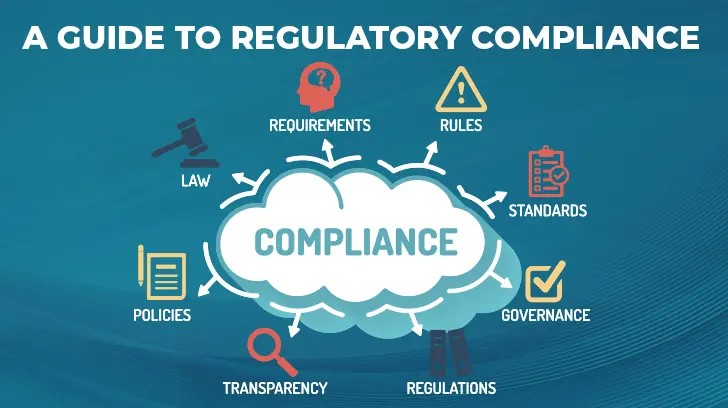
Regulatory compliance refers to the process of adhering to laws, regulations, guidelines, and specifications relevant to business operations. For startups in Vietnam, this encompasses various areas, including business registration, tax obligations, labor laws, environmental regulations, and industry-specific compliance.
Importance of Regulatory Compliance
- Legal Protection: Adhering to regulatory requirements protects startups from legal troubles and potential penalties.
- Building Credibility: Compliance enhances a startup’s credibility and reputation in the market, instilling trust among customers, investors, and partners.
- Operational Efficiency: Understanding and implementing compliance measures streamline operations and contribute to the overall sustainability of the business.
- Access to Funding: Investors and financial institutions often require proof of compliance before extending funding or entering into agreements, making compliance essential for securing external capital.
Key Areas of Regulatory Compliance for Startups
1. Business Registration
Before commencing operations, startups must legally register their businesses in Vietnam.
- Business Structure: Determine the appropriate business structure, such as a limited liability company (LLC), joint-stock company (JSC), or sole proprietorship, depending on the business goals and ownership structure.
- Registration Authority: Submit registration documents to the Ministry of Planning and Investment (MPI) or the relevant provincial Department of Planning and Investment. Required documents generally include:
- A completed application form
- The company charter
- Identification documents of the founders
- Investment project proposal (if applicable)
- Investment Registration Certificate (IRC): Foreign investors may need to apply for an IRC, which outlines the investment objectives and details.
2. Tax Compliance
Understanding tax obligations is vital for startups, as failure to comply can result in significant penalties.
- Tax Identification Number (TIN): After business registration, startups must apply for a Tax Identification Number with the General Department of Taxation.
- Corporate Income Tax: Startups must be aware of corporate income tax rates, which in Vietnam typically stand at 20%. Certain industries may benefit from preferential tax rates.
- Value Added Tax (VAT): Most businesses must comply with VAT regulations, including registration and proper invoicing. VAT rates generally range from 0% to 10%.
- Other Local Taxes: Be aware of any additional local taxes that may apply, such as property tax, environmental protection tax, and others.
3. Labor Law Compliance
As startups begin hiring employees, compliance with labor laws becomes paramount:
- Employment Contracts: All employees must be provided with written labor contracts that comply with the Labor Code. Contracts should detail job roles, compensation, working hours, and rights and responsibilities.
- Work Permits for Foreign Employees: If hiring foreign nationals, ensure that appropriate work permits and visas are obtained, adhering to local laws governing foreign employment.
- Social Insurance Registration: Employers are required to register employees for social insurance, which includes health insurance, unemployment insurance, and retirement benefits.
4. Intellectual Property Protection
For startups, safeguarding intellectual property is crucial for maintaining competitive advantage:
- Trademark Registration: Protect brand identity by registering trademarks with the National Office of Intellectual Property (NOIP). This protects against unauthorized use and helps build brand recognition.
- Copyrights and Patents: Depending on the nature of the business, consider registering copyrights and patents to secure rights for original works and inventions.
5. Environmental Compliance
Startups in industries with potential environmental impacts must ensure compliance with environmental regulations:
- Environmental Impact Assessments (EIA): Businesses may be required to conduct EIAs to evaluate the potential impact of their operations on the environment.
- Permitting: Obtain necessary environmental licenses and permits to comply with local environmental protection laws and regulations.
Common Challenges Faced by Startups
- Complex Regulatory Environment: The evolving nature of regulations regarding business operations can create confusion for startups as they try to stay compliant.
- Limited Resources: Startups often operate with limited financial and human resources, making it challenging to prioritize compliance alongside core business operations.
- Cultural Differences: Foreign entrepreneurs may face cultural differences in business practices and regulatory expectations that complicate adherence to local laws.
- Lack of Awareness: Startups may not be fully aware of their legal obligations, leading to inadvertent non-compliance that can have severe repercussions.

Best Practices for Ensuring Compliance
1. Develop a Compliance Strategy
Businesses should create a comprehensive compliance strategy that outlines their obligations regarding key areas such as business registration, tax compliance, labor laws, and environmental regulations.
2. Engage Legal and Compliance Experts
Engaging lawyers specializing in Vietnamese business law can provide valuable guidance on navigating the complexities of regulatory requirements. This includes tax consultants, labor lawyers, and compliance auditors who can offer tailored advice.
3. Conduct Regular Training
Implement training programs for employees and management to foster awareness and understanding of regulatory requirements. This education can help establish a compliance culture within the organization.
4. Maintain Clear Documentation
Keeping thorough records of business transactions, communications, and compliance documents is essential for fulfilling legal obligations. Documentation can serve as proof in case of audits or disputes.
5. Monitor Regulatory Changes
Stay updated on changes in laws and regulations that impact your business. Subscribing to industry newsletters, attending seminars, and joining business associations can help keep entrepreneurs informed.
6. Integrate Compliance into Business Operations
Incorporating compliance into daily business practices ensures that compliance becomes a priority rather than an afterthought. Regular evaluations of internal processes can promote continual improvement in compliance efforts.
Conclusion
Navigating the regulatory landscape in Vietnam is crucial for startups seeking to establish a successful business presence. By understanding legal requirements concerning business registration, tax obligations, labor law compliance, intellectual property protection, and environmental regulations, entrepreneurs can mitigate risks and foster operational integrity. Engaging legal and compliance experts, conducting regular training, and establishing a comprehensive compliance strategy will support entrepreneurs in meeting their legal obligations while focusing on growth and innovation. By adopting best practices and prioritizing compliance, startups can navigate Vietnam’s dynamic marketplace effectively and set the stage for sustainable success.