

Real Estate Development Laws: Compliance Requirements and Best Practices
Real estate development is a complex and multifaceted process that involves significant financial investments, strategic planning, and compliance with various laws, regulations, and standards. Understanding the legal frameworks that govern real estate development is essential for developers to navigate compliance requirements and mitigate risks associated with their projects. This article provides an overview of real estate development laws, highlights compliance requirements, and outlines best practices for successful project execution.
Understanding Real Estate Development Laws
Real estate development laws encompass a range of regulatory frameworks that govern various aspects of property development, including zoning, land use, environmental protection, financing, and construction. Key legal frameworks in Vietnam include:
- Land Law: The Land Law (2013) regulates land use rights, ownership, and land transactions. It outlines the procedures for leasing land and obtaining land use rights certificates (LURC).
- Law on Construction: This law establishes regulations regarding construction activities, building permits, construction management, and safety standards.
- Law on Investment: The Law on Investment (2014) provides guidelines for foreign and domestic investments, outlining the legal requirements for establishing businesses and engaging in real estate development.
- Civil Code: The Civil Code governs contractual relationships, including agreements related to property transactions, leases, and real estate development contracts.
- Environmental Protection Law: This law mandates environmental assessments and compliance for real estate projects, ensuring that development activities do not harm the environment.

Compliance Requirements for Real Estate Development
Navigating the regulatory landscape in real estate development involves multiple compliance requirements, including:
1. Land Use and Zoning Regulations
Before commencing a project, developers must:
- Verify Zoning Compliance: Ensure that the intended use of the property complies with local zoning regulations, which dictate how land can be used (e.g., residential, commercial, industrial). Engaging with local planning authorities can clarify permissible uses and help avoid legal challenges.
- Obtain Land Use Rights: Secure land use rights, which may involve signing lease agreements with the government or obtaining ownership rights. The Land Law specifies the requirements and procedures for acquiring these rights.
2. Environmental Assessments
Environmental protection is a vital aspect of real estate development:
- Conduct Environmental Impact Assessments (EIAs): For developments that may affect the environment, an EIA is required to assess potential impacts and implement mitigating measures. This process may include public consultations with local communities and stakeholders.
- Comply with Environmental Regulations: Ensure adherence to environmental laws, which may mandate obtaining specific permits related to air quality, waste management, and pollution control.
3. Building Permits
Securing building permits is essential before commencing construction:
- Application for Building Permits: Submit a detailed application to the relevant local authority, including plans and specifications for the proposed development. Construction cannot begin until the necessary permits are obtained.
- Inspections and Compliance: During construction, regular inspections are conducted to ensure compliance with safety standards and building codes. Adherence to these regulations is crucial to avoid penalties or work stoppages.
4. Compliance with Labor Laws
Real estate development involves hiring labor, which necessitates understanding labor laws and regulations:
- Employment Contracts: All workers must have written contracts outlining their rights and obligations, including compensation, working hours, and termination conditions.
- Work Safeguards: Comply with safety regulations to protect workers on-site. Developing and implementing safety protocols is essential for ensuring employee welfare and legal compliance.
5. Financing and Investment Compliance
When financing real estate projects, developers should adhere to relevant legal standards:
- Investment Registration: For foreign investments, ensure that registration is conducted under the Law on Investment. Submit all necessary documents to the local Department of Planning and Investment (DPI).
- Financial Transparency: Comply with financial regulations and report any financial dealings according to the laws governing corporate accounting and taxation.
Best Practices for Real Estate Development Compliance
Adopting best practices can enhance compliance efforts and facilitate smoother project execution:
1. Engage Local Experts
Engaging local experts, including real estate consultants, civil engineers, and legal advisors, ensures that developers have access to comprehensive knowledge of local regulations and market conditions. Their expertise can guide compliance and enhance project success.

2. Conduct Feasibility Studies
Before investing in a project, conduct thorough feasibility studies that assess market demand, financial viability, regulatory compliance, and potential risks. Such studies provide insights necessary for making informed decisions.
3. Transparent Communication
Establish clear communication channels with all stakeholders, including government authorities, community members, and investors. Transparency fosters trust and cooperation, which can facilitate the development process and minimize misunderstandings.
4. Ongoing Monitoring
Maintain ongoing monitoring of regulatory changes and compliance obligations. Laws governing real estate development may evolve, and remaining informed ensures that your project adheres to the latest requirements.
5. Document Everything
Maintain detailed records of all transactions, communications, and approvals throughout the development process. Proper documentation provides essential evidence in the event of legal disputes and helps demonstrate compliance.
6. Promote Community Engagement
Engaging with the local community during project planning and development can enhance public perception and support. This may involve public meetings, consultations, and incorporating community feedback into project designs.
The Role of Corporate Compliance Lawyers
Engaging a corporate compliance lawyer with expertise in real estate is invaluable for navigating the legal complexities of property development:
1. Legal Guidance
Attorneys specializing in real estate law can provide critical insights into the legal implications of development decisions and ensure that compliance with all applicable laws and regulations.
2. Contract Management
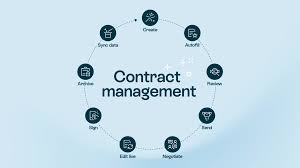
Lawyers can draft, review, and negotiate contracts associated with real estate transactions, ensuring that terms are fair and legally sound while protecting the interests of the developer.
3. Representation in Disputes
In the event of disputes related to property rights, contracts, or regulatory compliance, legal representation is essential. Attorneys can advocate for clients’ interests in negotiations, mediation, or litigation.
4. Risk Mitigation
Legal counsel assists in identifying potential risks and implementing strategies to mitigate exposure, helping clients navigate challenges and avoid costly legal issues.
Conclusion
Navigating the legal complexities of real estate development in Vietnam requires a thorough understanding of regulatory frameworks and compliance requirements. By implementing robust strategies for compliance and engaging qualified legal professionals, developers can successfully mitigate risks and protect their investments. By adhering to best practices and remaining proactive in their approach, businesses can foster successful property development projects, contributing to Vietnam’s dynamic growth and economic development. Ultimately, ensuring compliance not only protects businesses but also supports a fair and sustainable real estate market in Vietnam.