

Contract Dispute Litigation: Enforcement and Resolution Strategies
In the world of business, contracts are crucial for defining the expectations, rights, and obligations of the parties involved. However, disputes can arise when one party fails to fulfill their contractual commitments, leading to potential financial and operational ramifications. Contract dispute litigation is the process of resolving such disputes through the judicial system, and understanding how to enforce contracts and navigate litigation is vital for businesses. This article discusses contract dispute litigation, common causes of contract disputes, enforcement strategies, and effective resolution methods.
Understanding Contract Disputes
Contract disputes occur when one or more parties believe that the terms of the contract have not been met or fulfilled. These disputes can arise from various situations, including:
1. Breach of Contract
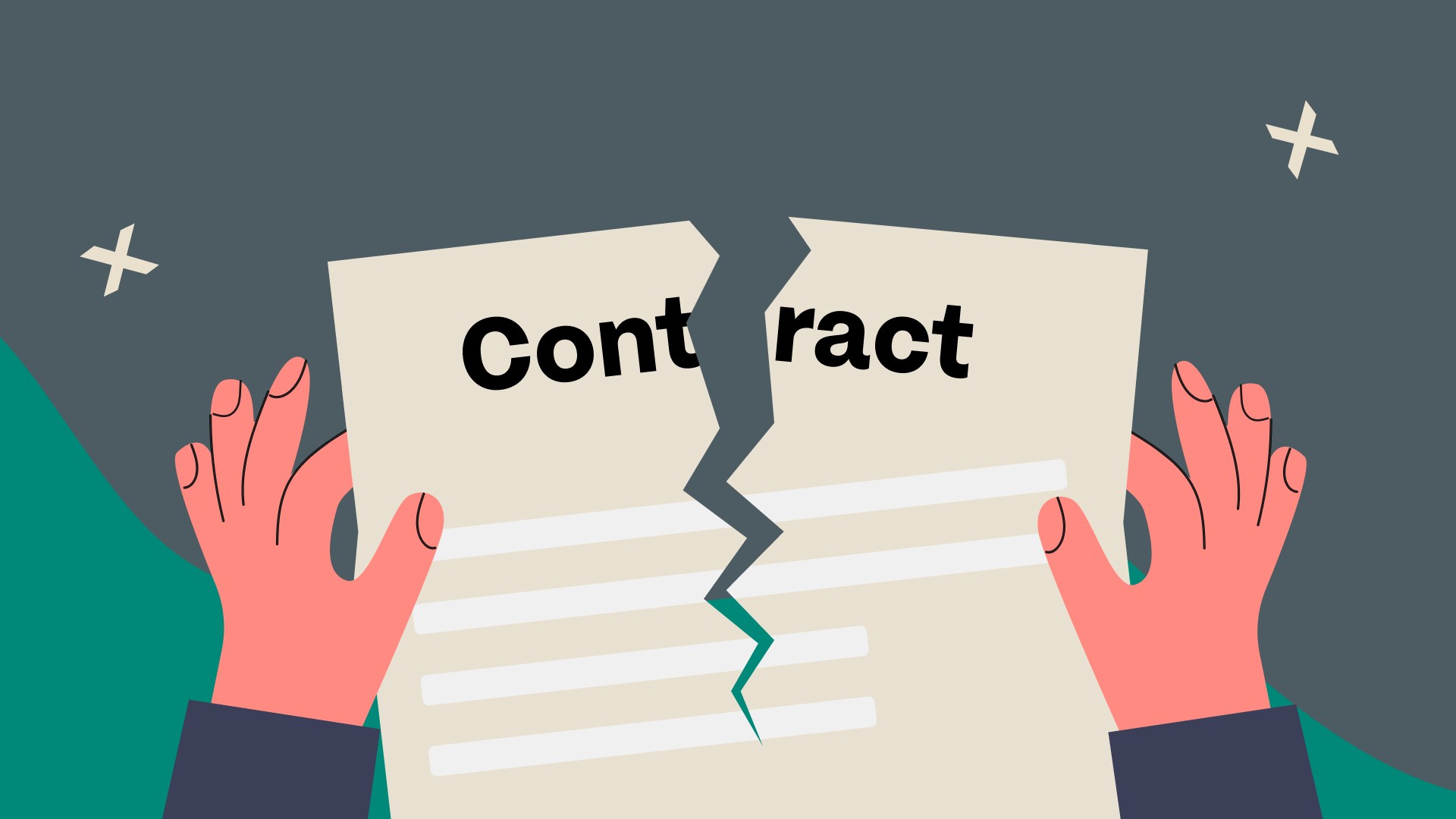
A breach of contract occurs when one party fails to perform their obligations as outlined in the contract. Breaches can be classified as:
- Material Breach: A significant failure that undermines the contract’s purpose, allowing the non-breaching party to seek damages or terminate the contract.
- Minor Breach: A less significant failure that does not fundamentally impair the contract. The non-breaching party may still seek damages but may not terminate the contract.
2. Misinterpretation of Terms
Disagreements may arise due to differing interpretations of the contract’s terms, leading to confusion regarding each party’s rights and obligations.
3. Non-Performance or Delays
When one party fails to perform their obligations on time or at all, disputes may arise concerning liability, compensation, and penalties for non-performance.
4. Frustration of Purpose
A contract may be rendered unenforceable if unforeseen events occur that fundamentally change the feasibility of performing the contract, leading to disputes over responsibility for such events.
Enforcement Strategies for Contracts
When a contract dispute arises, enforcement of the contract is a primary consideration. The following strategies can be employed to enforce contractual obligations:
1. Send a Demand Letter
A demand letter is often the first step in asserting claims against a breaching party. This document outlines the following:
- Details of the Breach: Clearly identify the contractual obligations that have not been met.
- Request for Resolution: State specific actions the breaching party should take to remedy the situation, such as fulfilling their obligations or providing compensation.
- Timeframe for Response: Set a clear deadline for the breaching party to respond or address the issue.
Sending a demand letter serves to formally document the dispute and can often prompt resolution without the need for litigation.
2. Negotiation
Engaging in negotiation can be an effective strategy for resolving disputes amicably. Both parties can discuss their points of view, explore potential compromises, and work toward a resolution without resorting to litigation. Employing skilled negotiators—whether internal or external—can increase the likelihood of achieving a satisfactory settlement.

3. Mediation
Mediation is a voluntary alternative dispute resolution process in which a neutral third party (the mediator) helps the parties discuss their differences and reach a mutually acceptable solution. Benefits of mediation include:
- Confidentiality: Mediation sessions are private, protecting sensitive information from public exposure.
- Cost-Effectiveness: Mediation is often less expensive and time-consuming than litigation.
- Preservation of Relationships: The collaborative nature of mediation helps maintain professional relationships, which is especially valuable in business contexts.
Mediation can serve as a vital step before escalating the dispute to litigation, emphasizing a resolution-focused approach.
Litigation Process for Contract Disputes
If informal resolution methods do not succeed, pursuing litigation may be necessary. The litigation process for contract disputes typically includes the following steps:
1. Filing the Complaint
The first step in litigation is to file a complaint with the appropriate court, which typically includes:
- Jurisdiction and Venue: Determining the correct court to file the lawsuit based on jurisdictional criteria, such as where the contract was negotiated, executed, or breached.
- Detailing Claims: Clearly outline the nature of the contract, the breach, and the specific remedies sought.

2. Serving the Defendant
The defendant must be formally notified of the lawsuit through legal service of process. Proper service is vital to ensure the court has jurisdiction over the defendant.
3. Discovery Phase
The discovery phase involves exchanging relevant information and documents between the parties. Key steps include:
- Interrogatories: Written questions requiring the other party to provide detailed answers under oath.
- Document Requests: Requests for the production of documents related to the dispute.
- Depositions: Sworn testimonies taken from relevant witnesses, allowing both sides to gain insights into the case.
4. Pre-Trial Motions
Parties may file pre-trial motions, such as:
- Summary Judgment Motions: Requests for the court to rule in favor of one party without a trial based on undisputed facts.
- Motions to Dismiss: Requests to dismiss a case based on a lack of legal grounds.
5. Trial
If the dispute is not settled during the discovery or pre-trial phases, the case proceeds to trial, where both parties present their arguments and evidence before a judge or jury.
6. Judgment
After considering the evidence, the court will issue a judgment that resolves the dispute. Parties can appeal the decision if either side believes there are legal grounds for an appeal.
The Role of Civil Litigation Services
Engaging civil litigation services, particularly those specializing in contract disputes, is crucial to navigating the complexities of the litigation process effectively. A qualified civil litigation lawyer can provide the following benefits:
- Legal Expertise: Understanding contract law and litigation procedures ensures that parties are well-prepared to present their cases effectively.
- Strategic Planning: Lawyers can help develop a tailored strategy based on the specific facts and circumstances of the dispute.
- Negotiation and Mediation Support: Attorneys can facilitate negotiation and mediation efforts, helping to find amicable resolutions before entering litigation.
- Representation in Court: If litigation becomes necessary, lawyers provide representation throughout the trial process, advocating for their clients’ rights and interests.
Best Practices for Avoiding Contract Disputes
While disputes may occur, companies can take steps to minimize the risk of contract disputes:
- Draft Clear and Comprehensive Contracts: Investing time in drafting detailed contracts that clearly outline terms, responsibilities, and expectations reduces ambiguities that can lead to disputes.
- Regularly Review Contracts: Periodic reviews of existing contracts can help identify issues, reflect changes in business circumstances, and ensure ongoing compliance with applicable laws.
- Foster Open Communication: Encouraging transparent communication between parties can help address issues before they escalate into disputes.
- Provide Employee Training: Training employees on contractual obligations, dispute resolution processes, and effective communication can enhance compliance and reduce misunderstandings.
- Utilize Alternative Dispute Resolution: Incorporating mediation or arbitration clauses into contracts allows parties to resolve disputes amicably and cost-effectively.
Conclusion
Contract dispute litigation is a crucial process that enterprises must navigate to protect their interests and ensure fair resolution of conflicts. By understanding the litigation process, engaging qualified legal representation, and implementing best practices to prevent disputes, businesses can mitigate risks associated with contract disagreements. Effective contract management is essential for the long-term success and stability of an organization, helping to foster productive relationships and maintain operational efficiency in an increasingly complex business landscape.